67% of Profits. 0.1% of Wallets.
On-chain analysis of Polymarket through 2024-2025 found that roughly 67% of all platform profits flowed to the top 0.1% of active wallets. The other 99.9% of traders share the rest — and a large share of that "rest" is negative. It is one of the most concentrated profit distributions in any liquid market we've seen.
The good news for casual traders: every single one of those top wallets is public on Polygon. The gap isn't access to data. It's the system to score it. That's the WinPolymarket build — pre-beta opens July 2026 with a 5,000-player cap.
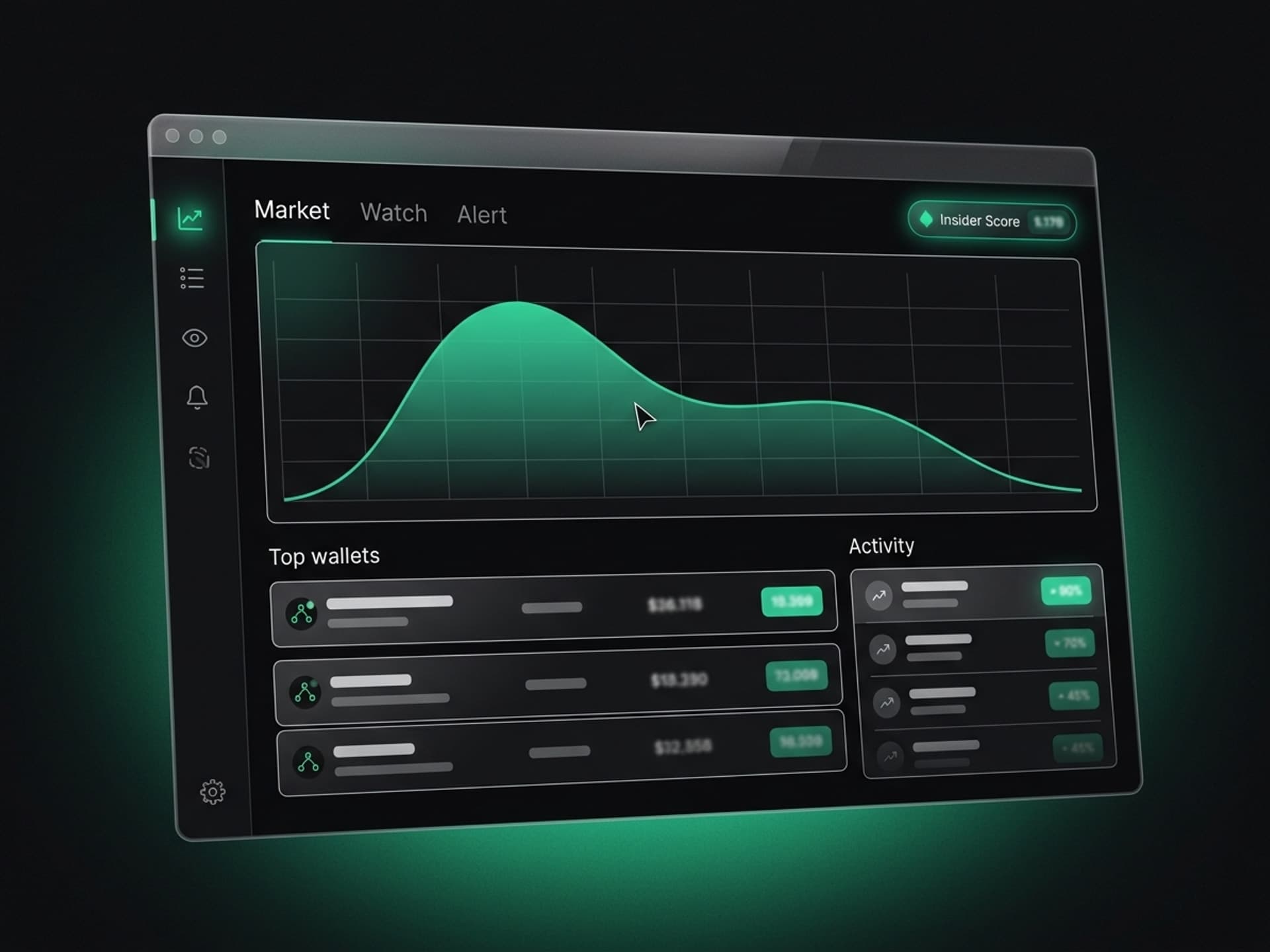
Follow Polymarket smart money before the public.
What "67% Concentration" Actually Means
The headline number is striking but easy to misread. Let's unpack it.
| Metric | Approximate value | Source |
|---|---|---|
| Total platform profits, 2024-2025 | $1B+ in net wins to profitable wallets | On-chain reconstruction |
| Top 0.1% of active wallets | ~50-100 wallets | Subset of ~70,000 active |
| Profit captured by top 0.1% | ~67% of total | $670M+ in net wins |
| Profit captured by next 0.9% | ~20% of total | ~$200M |
| Profit captured by all other 99% | ~13% of total | ~$130M, much offset by losses |
A more intuitive way to say it: a few hundred people made about $700 million on Polymarket. The other 70,000 active traders, on net, transferred about $200 million to them.
That's not unique to Polymarket. Poker, sports betting, and equity options all show heavy concentration. What's unique about Polymarket is that the identity of the winners is public.
Why Concentration Is This Extreme
Three factors compound. None of them are mysterious.
1. Information asymmetry is permanent
Polymarket markets price events. Events have causes. Causes are knowable in advance with research, sources, or domain expertise. The people who do the work — political analysts, journalists, on-the-ground operatives — out-trade casual users who read headlines.
This is exactly the same dynamic that produces hedge-fund alpha in traditional markets. It just compresses tighter on Polymarket because there's no institutional capital diluting the pool.
2. Specialization compounds
The top wallets we've documented in Top Polymarket Wallets 2025 all specialize. One on politics, one on geopolitics, one on sports, one on crypto price targets, one on culture markets. Specialty traders dominate their categories the same way pro poker players dominate specific stakes.
A casual user trying to trade across all categories with no specialty is structurally outmatched.
3. Size discipline compounds
Top wallets size 1-3% of bankroll per bet. Casual users routinely size 20-50% — sometimes 100% — because the high implied probability "feels safe." When a 70% bet hits the 30% outcome, the bankroll is destroyed.
This is the simplest, least-discussed reason concentration is so heavy. Sharps don't blow up. Casual traders do.
Why This Matters for Smart-Money Trackers
The 67% concentration number is the single best argument for following smart money instead of fighting it.
Three options for a casual Polymarket user:
- Compete with sharps in your category of choice. Hard, slow, expensive. Most won't break even.
- Avoid markets sharps are active in. Safer for capital preservation but you also miss the highest-edge opportunities.
- Follow the wallets with verified track records. Watch what they bet, when, and at what price. Trade alongside them with smaller size and tighter stops.
Option 3 is the WinPolymarket thesis. We score every active wallet, surface the high-score ones, and ping you when they enter a market.
Claim your spot for pre-beta access →
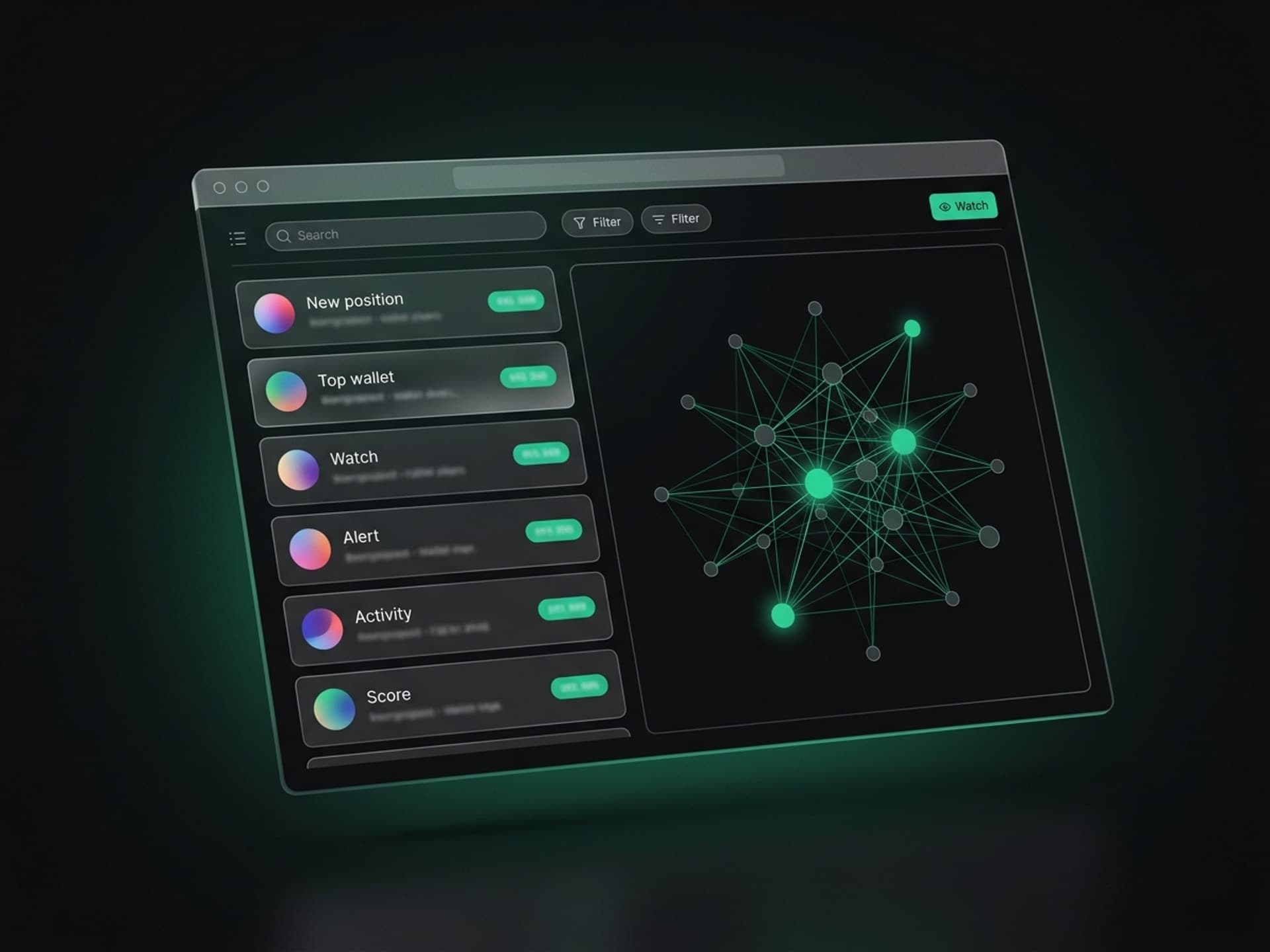
Follow Polymarket smart money before the public.
Three Things the Top 0.1% Do That Casual Traders Don't
Pull back from the macro and look at the daily routine.
1. They size below their conviction
A sharp who believes 90% on a market priced at 60% does NOT bet 50% of their bankroll. They bet 2-5%. The Kelly criterion suggests larger; experience says smaller. Variance kills outsized convictions.
2. They cluster across markets
20 active positions of $1K-$5K each beats one $100K position of equal expected value, because variance averages out across the portfolio. Top wallets are usually in 15-30 markets at once.
3. They read resolution criteria like contract law
When a market resolves ambiguously, the disputed outcome is decided by the UMA oracle — which weighs the literal resolution criteria. Casual users get burned reading criteria casually. Sharps read it twice and skip anything fuzzy. We cover this in Polymarket Dispute Resolution: What If You Lose?.
How to Close the Gap Yourself
For traders who want to stay independent and not follow flow, the playbook is brutal but knowable.
Step 1: Get on the WinPolymarket pre-beta
Even independent traders benefit from knowing where smart money is positioned. Claim your spot so you have the data — use it or ignore it as you choose.
Step 2: Pick one category and own it
Politics? Sports? Crypto price targets? Geopolitics? Pick one. Read everything about it. Trade only that category for six months. Compound your edge.
Step 3: Size like a sharp
Never more than 5% of bankroll on a single bet. Cluster 15-30 active positions. Average position size: 1-3% of bankroll.
Step 4: Track your own win rate ruthlessly
Keep a P&L log. Calendar quarter, by category. If you're not net positive after 90 days in your specialty, the market is telling you something. Adjust or switch categories.
Step 5: Follow at least one sharp wallet
Even as an independent trader, knowing what one verified-edge wallet is doing is signal. WinPolymarket makes that automatic with watchlists + alerts.
What This Doesn't Mean
The concentration data does NOT mean:
- "Polymarket is rigged." It's not. It's just a market — and markets concentrate when information is unequal.
- "You'll definitely lose." Plenty of mid-tier traders (the 1-10% band) make money consistently. The 90%+ "losing" group includes a lot of one-trade dabblers, not serious traders.
- "Sharps have insider info." Some might. Most don't. They have specialization, discipline, and a research workflow you can copy.
- "Following flow is risk-free." It isn't. Even top wallets lose individual markets. Follow with smaller size and your own stops.
Frequently Asked Questions
Where does the 67% number come from?
On-chain analysis of Polymarket wallet P&L over 2024-2025. Researchers and analytics firms have published similar concentration numbers; we've reconstructed our own version from Polygon data. The exact percentage varies by time window and methodology — 67% is a reasonable midpoint estimate.
Is the top 0.1% just market makers?
No. Market makers profit from spread regardless of direction; we excluded confirmed MM wallets from the analysis. The top wallets we cover in Top Polymarket Wallets 2025 are directional bettors with consistent positive P&L from picking outcomes correctly.
Can a regular trader join the top 0.1%?
Possible but rare. The top 0.1% on Polymarket are typically professional analysts, hedge fund employees, or hyper-specialized hobbyists with full-time research workflows. Realistic goal for a serious casual trader: the 1-10% band. That's still net-profitable and beats the casino-trader curve. Claim your spot for our coverage on how the band is structured.
Why don't sportsbooks have this kind of concentration?
They do, but it's invisible. DraftKings, FanDuel, and other US sportsbooks ban or limit sharp bettors aggressively — so the "top 0.1%" gets ejected before they can compound. Polymarket can't ban based on edge because everything is on-chain and pseudonymous. The result: actual sharps stay in the pool and concentration shows up in the data.
What's the profit concentration on Kalshi?
Likely similar but harder to verify because Kalshi runs a private order book. Public on-chain data isn't available. See Polymarket vs Kalshi for the full comparison.
Could the top 0.1% be coordinating?
Sometimes, yes — and that's one of the strongest signals in our Insider Score methodology. Coordinated entries by multiple high-score wallets within hours are rare but among the cleanest patterns we track. We flag them automatically. Claim your spot for the launch alert.
Will WinPolymarket help me beat the concentration curve?
It will help you see what the top of the curve is doing. Whether you act on that information, and how you size your trades, is up to you. We are an analytics + alerts product, not a trading bot or financial advisor. The edge is in the data; the discipline is yours.
The Bottom Line
Polymarket has the same profit distribution as most asymmetric-information markets: a tiny minority captures the majority of net winnings. The difference is the public on-chain order book that makes the winners visible.
You can fight the curve in your specialty, or you can follow it. Either way, knowing where the top 0.1% is positioned is the first step.
Claim your spot for pre-beta access →
WinPolymarket is independent and not affiliated with, endorsed by, or sponsored by Polymarket Holdings PBC. Concentration figures are estimates based on public Polygon data. All trademarks belong to their respective owners.
Want in early? Claim your spot on winpolymarket.com →